
MedDoctors are a Medical and Health Department Provider Institutions. Suitable For Healthcare, Medical, Doctor, Dental, Dentist, Pharmacy, Health and any Related Medical Care Field.
Contact Info
14D Street Brooklyn,
New York.
MedDoctors are a Medical and Health Department Provider Institutions. Suitable For Healthcare, Medical, Doctor, Dental, Dentist, Pharmacy, Health and any Related Medical Care Field.
14D Street Brooklyn,
New York.

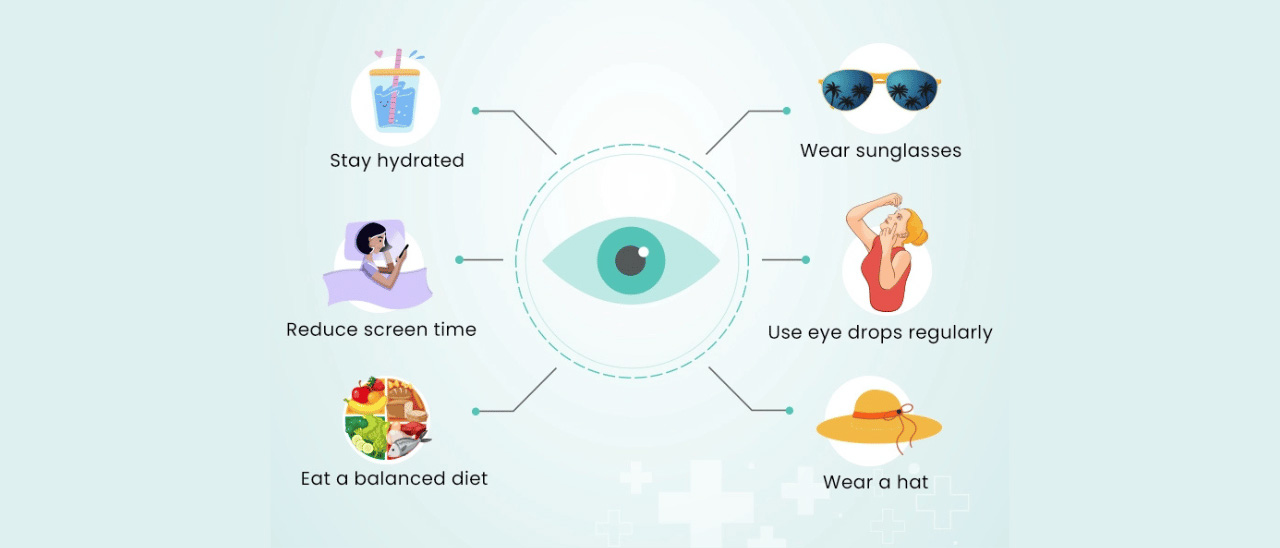
During Summers, a mix of heat, dust and dehydration can cause several eye issues.
Here are some tips which can help prevent eye issues.
Go for sunglasses that block 99–100% of UV rays. Prolonged UV exposure can increase the risk of conditions like cataracts and photokeratitis.
Your eyes rely on proper tear production. Dehydration can worsen dryness and irritation, sometimes leading to dry eye syndrome.
Try to avoid peak sunlight hours (roughly 11 AM–4 PM). Wearing a hat or sunglasses will protect your eyes.
If you’re outdoors a lot, especially in windy or dusty areas, use protective eyewear. Dust can trigger allergies.
Artificial tears can help keep your eyes moist, especially if you spend time in air-conditioned rooms.
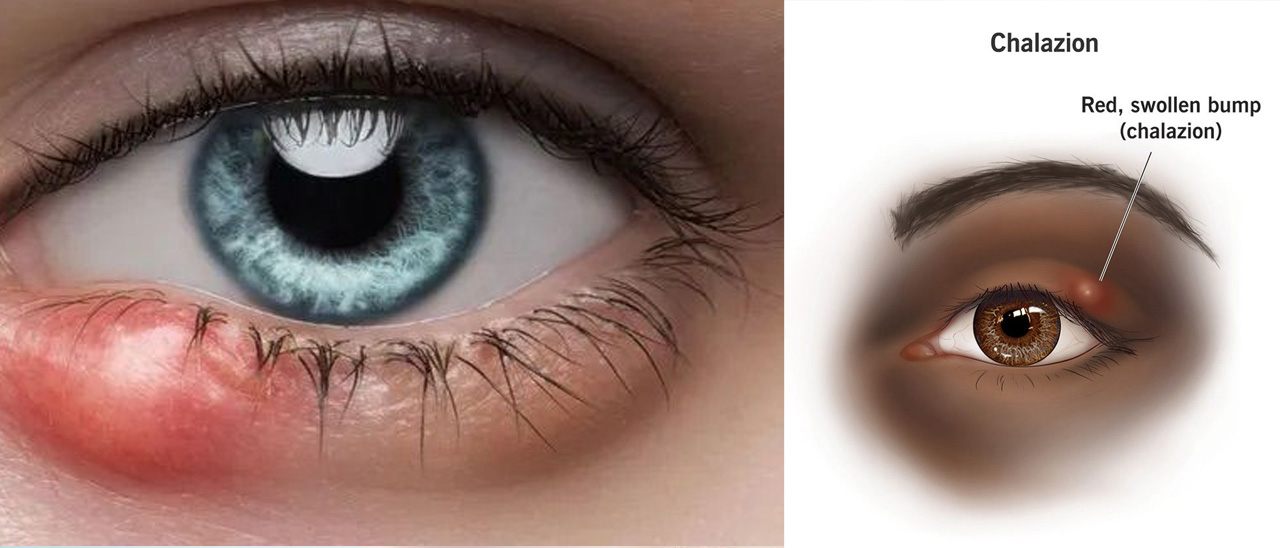
Eye health is something many of us take for granted—until a small, uncomfortable bump appears on the eyelid. While usually harmless, it can be bothersome and sometimes persistent. Let’s explore what a chalazion is, how it forms, and the best ways to treat it.
A chalazion is a small, painless lump or swelling that develops on the eyelid. It occurs when one of the tiny oil-producing glands (called meibomian glands) becomes blocked. It is usually non-infectious.
The eyelids contain several meibomian glands that produce oil to help lubricate the eye surface. When one of these glands becomes clogged, the oil cannot drain properly. This trapped oil leads to inflammation and swelling, eventually forming a swelling called chalazion.
1. Poor eyelid hygiene
2. Chronic blepharitis (eyelid inflammation)
3. Skin conditions like rosacea or seborrheic dermatitis
4. Frequent eye rubbing or touching
1. A painless lump on the upper or lower eyelid
2. Mild swelling or redness
3. A feeling of heaviness in the eyelid
4. Blurred vision (in larger chalazia)
5. Pain is usually minimal unless the chalazion becomes secondarily infected.
Most chalazia resolve on their own with simple care. However, persistence or complications may require medical attention.
The first line of treatment focuses on encouraging the blocked gland to open:
1. Warm compresses: Apply a clean, warm cloth to the affected eyelid for 10–15 minutes, 3–4 times a day. This helps soften the hardened oil.
2. Gentle massage: After warming, lightly massage the eyelid to promote drainage.
If the chalazion doesn’t improve with home care, a doctor may recommend:
1. Prescription ointments or drops: These help in preventing infection and reducing inflammation.
2. Steroid injections: If the chalazion is small, a small injection into the chalazion can reduce swelling.
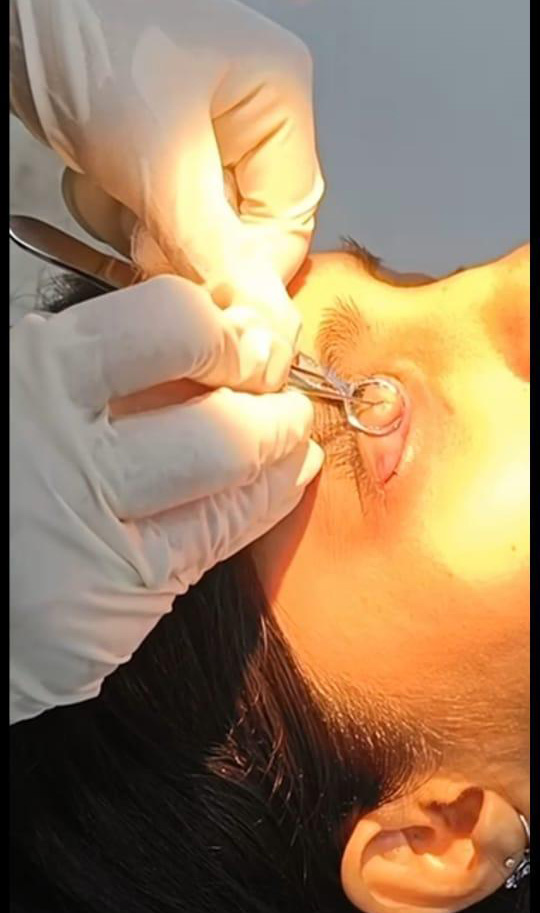
3. Minor surgical removal: In persistent cases, chalazion incision and drainage is done to reduce the swelling.
Chalazion can recur but you can reduce your risk by:
1. Maintaining proper eyelid hygiene
2. Removing makeup thoroughly before sleep
3. Avoiding rubbing your eyes
4. Managing underlying skin conditions
A chalazion may be a minor eye condition, but it can still cause discomfort and pose a cosmetic problem. Fortunately, it’s usually manageable with simple care. Early attention, good hygiene, and patience often lead to full recovery without the need for invasive treatment.
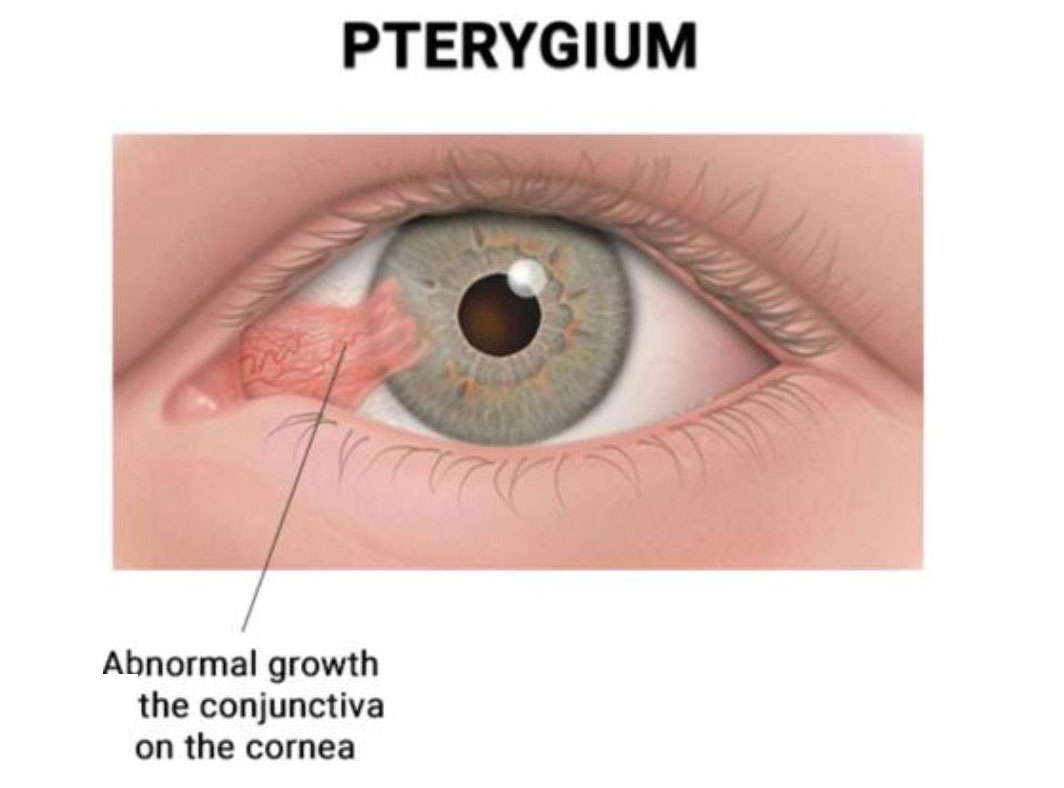
Eye health is something many of us take for granted. Occasionally, you might notice a fleshy growth on the surface of your eye. A pterygium is a common, non-cancerous condition that is usually wing-shaped and develops on the conjunctiva. Let's explore what it is, why it forms, and how to manage it.
A pterygium is a non-cancerous fleshy growth of conjunctival tissue that extends onto the cornea (the clear front surface of the eye). It is often wing-shaped and usually develops on the nasal side of the eye.
While the exact cause isn't fully understood, several factors increase the likelihood of developing a pterygium:
1. Prolonged exposure to ultraviolet (UV) radiation from sunlight
2. Living in hot, dry, dusty, or windy environments causing chronic eye irritation
3. Frequent outdoor work or activities
1. Visible fleshy mass on the eye
2. Redness and inflammation
3. Foreign body sensation or burning
4. Blurred vision (if the growth extends onto the cornea)
Treatment depends on the severity of the symptoms and the size of the growth.
For early stages, management focuses on comfort:
1. Artificial tears/lubricating eye drops
2. Short-term anti-inflammatory eye drops to reduce redness and irritation
Surgery is typically recommended when the growth affects your vision, progresses toward the center of the cornea, or causes significant cosmetic concern. The procedure involves removing the tissue, often followed by a conjunctival graft to reduce the chance of recurrence.
You can help protect your eyes by:
1. Wearing UV-blocking sunglasses when outdoors
2. Avoiding exposure to harsh, direct sunlight
3. Protecting eyes from dust, wind, and smoke
In many cases, a pterygium may become atrophic (shrink) on its own. However, if it continues to progress, it can distort the corneal surface—leading to astigmatism—or impair vision if it grows over the visual axis. Regular monitoring with your eye care specialist is key to maintaining clear vision.
Blurred vision is one of the most common reasons people visit an eye specialist. It can affect one or both eyes and may develop suddenly or gradually over time.
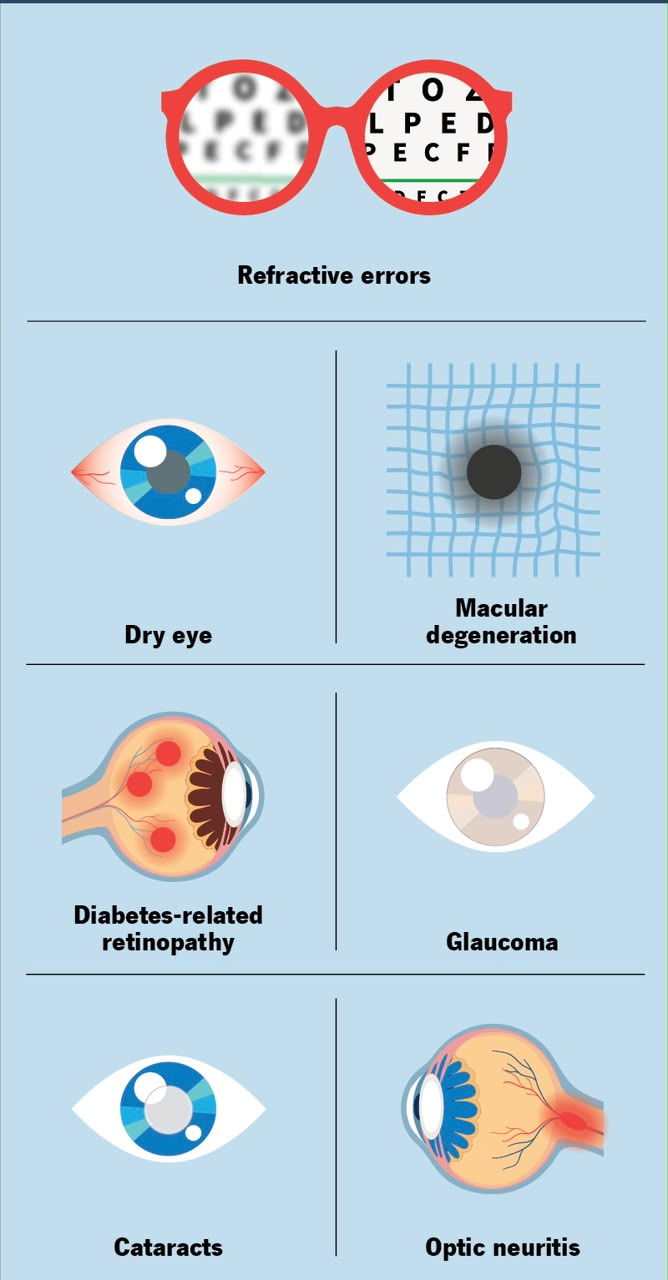
Blurred vision refers to a loss of sharpness or clarity in your eyesight, making objects appear out of focus. The person may have difficulty reading, seeing distant objects or performing everyday tasks.
The most common cause of blurred vision is a refractive error, where the eye cannot focus light correctly onto the retina. These include:
1. Nearsightedness (Myopia)
2. Farsightedness (Hyperopia)
3. Astigmatism
4. Presbyopia (age-related difficulty focusing on nearby objects)
These conditions are usually corrected with glasses or contact lenses. Refractive surgery can be done after a certain age.

When your eyes do not produce enough tears or the tears evaporate too quickly, the surface of the eye becomes dry. This can lead to intermittent blurred vision, irritation, burning, and a gritty sensation.
Dry eye is particularly common among people who spend long hours on computers, wear contact lenses, or are over the age of 50.
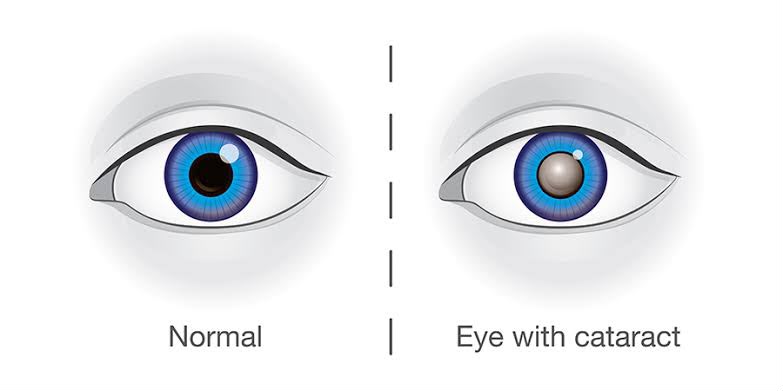
A cataract occurs when the natural lens of the eye becomes cloudy, causing vision to become blurry or hazy. Colours may appear faded, and night driving may become more difficult due to glare from lights.
Cataracts develop gradually and are most commonly associated with ageing. Cataract surgery is a safe and effective treatment.
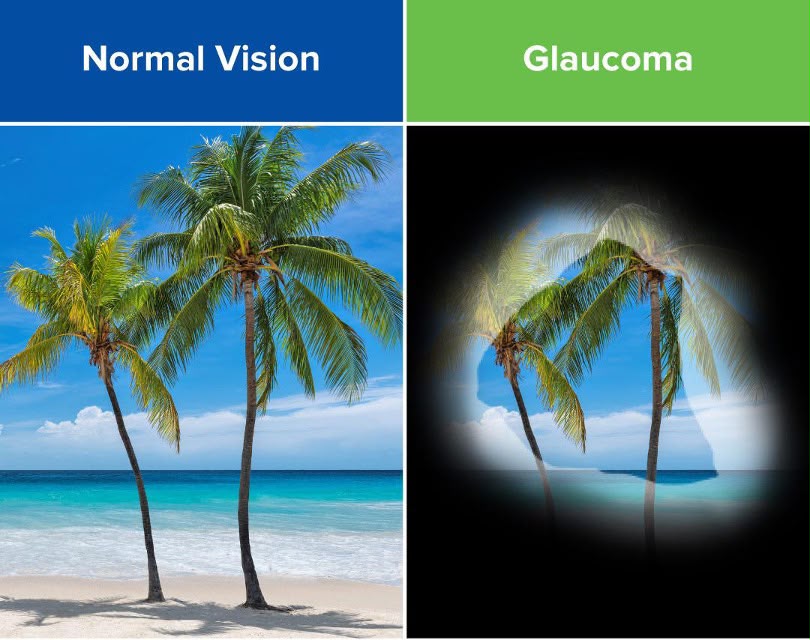
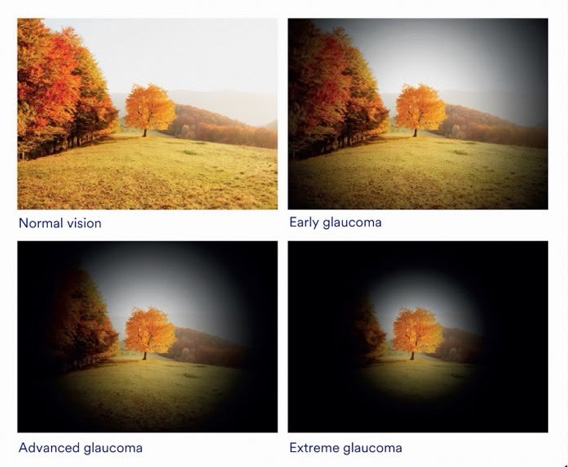
Glaucoma is a group of eye diseases that damage the optic nerve, often due to increased pressure inside the eye. In its early stages, glaucoma may not cause noticeable symptoms. As it progresses, it can lead to blurred vision and permanent vision loss if left untreated.
Regular eye examinations are essential because early detection can help preserve vision.
People with diabetes are at risk of developing diabetic retinopathy, a condition in which high blood sugar damages the tiny blood vessels in the retina.
Blurred vision may be one of the first signs. Early diagnosis and proper diabetes management can significantly reduce the risk of vision loss.
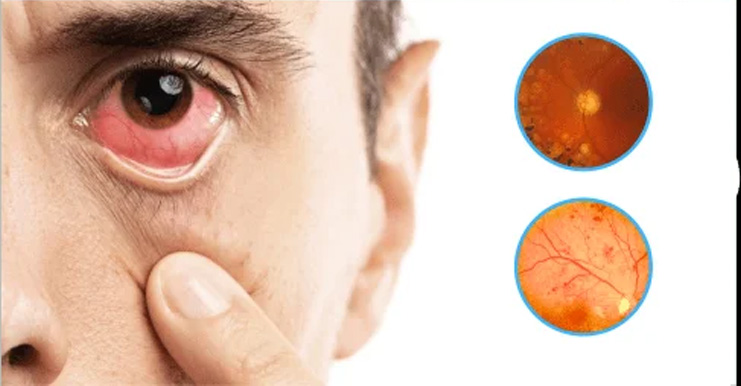
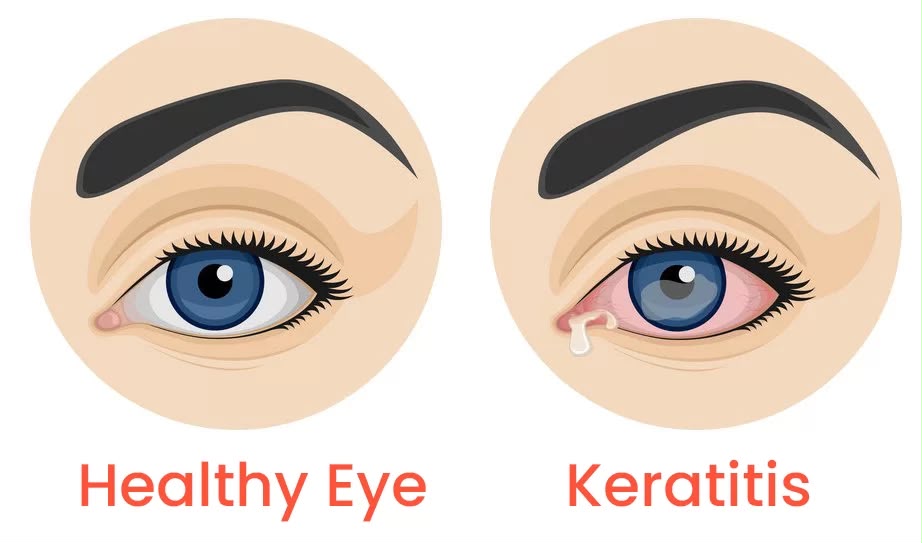
Conditions such as conjunctivitis (pink eye) and corneal infections can cause redness, watering, discomfort, and temporary blurred vision.
Most infections can be effectively treated, but they should be evaluated by an eye care professional.
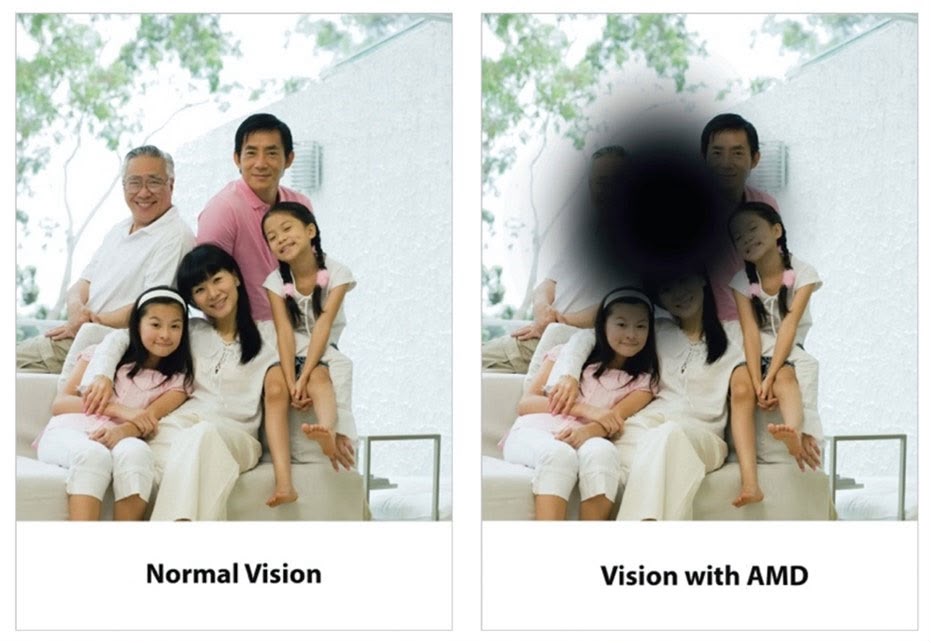
AMD affects the central part of the retina called the macula, which is responsible for detailed vision. It is more common in older adults and may cause blurred or distorted central vision.
Early diagnosis can help slow the progression of the disease.
Spending prolonged periods looking at computers, smartphones, or tablets can temporarily blur vision. Other symptoms include headaches, dry eyes, and difficulty focusing.
Simple habits like taking regular breaks, blinking frequently, and adjusting screen settings can help reduce eye strain.

Understanding the possible causes of blurred vision can help you know when it's time to schedule an eye examination.
Cataract is one of the most common eye conditions, particularly among older adults. It occurs when the normally clear lens inside the eye becomes cloudy, leading to gradually blurred or reduced vision.
As a cataract develops, the lens becomes less transparent. Light cannot pass through it properly, resulting in progressively blurred or hazy vision. Cataracts may affect one or both eyes and generally become more common with age.
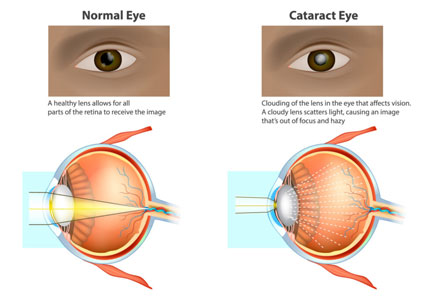
Cataracts typically develop gradually, so the symptoms may initially be subtle. Common symptoms include:
1. Blurred, cloudy, or hazy vision
2.Difficulty seeing clearly at night
3.Faded or yellowish appearance of colors
4.Frequent changes in glasses prescription
5.Difficulty reading or performing close-up tasks
6.Reduced contrast and visual clarity
If these symptoms begin affecting daily activities, an eye examination is recommended.
Age-related changes in the eye are the most common cause of cataracts. However, several other factors can increase the risk.
1. Age The risk of developing cataracts increases as we get older. Changes in the proteins and structure of the natural lens gradually make it cloudy.
2. Diabetes People with diabetes may have an increased risk of developing cataracts, particularly when blood sugar levels are poorly controlled.
3. Prolonged Sun Exposure Long-term exposure to ultraviolet (UV) radiation may contribute to the development of cataracts. Wearing sunglasses that provide UV protection.
4. Smoking Smoking is associated with an increased risk of cataract formation.
5. Certain Medications Long-term use of some medications, particularly corticosteroids, can increase the risk of cataracts. Patients should not stop prescribed medication without consulting their doctor.
6. Previous Eye Injury or Surgery Trauma to the eye or previous eye surgery can sometimes lead to cataract development.
7. Family History and Other Conditions A family history of cataracts and certain medical or genetic conditions can increase the likelihood of developing cataracts.
When the cataract begins to interfere with daily life, cataract surgery is the definitive treatment.
In cataract surgery, the cloudy natural lens is removed and replaced with a clear artificial lens called an intraocular lens (IOL).
Modern cataract surgery is generally performed as a short, minimally invasive procedure, called phacoemulsification usually under local or topical anesthesia.
The choice of IOL depends on several factors, including the patient's eye health, lifestyle, visual requirements, and expectations.
Cataracts are a common cause of reduced vision, but they are also one of the most successfully treatable causes of visual impairment.
Annual eye check-up is recommended which can help diagnose it and other eye conditions.
Acute congestive glaucoma, commonly referred to as acute angle-closure glaucoma, is an ophthalmic emergency caused by a sudden rise in intraocular pressure (IOP). It occurs when the drainage angle of the eye becomes abruptly closed, preventing aqueous humour from leaving the eye normally.
Because the intraocular pressure can rise rapidly and damage the optic nerve, acute angle-closure glaucoma requires urgent treatment. If treatment is delayed, permanent visual loss can occur within a short period.
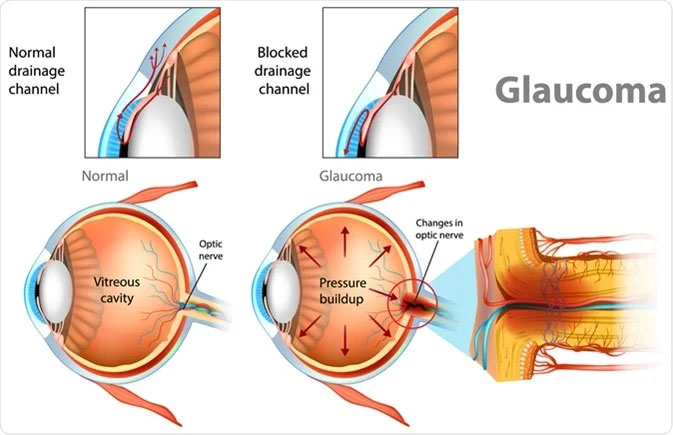
Normally, aqueous humour is continuously produced by the ciliary body. It flows from the posterior chamber through the pupil into the anterior chamber and exits the eye mainly through the trabecular meshwork and Schlemm's canal at the iridocorneal angle.
In acute angle-closure glaucoma, the drainage angle suddenly becomes blocked. Aqueous humour cannot drain adequately, causing a rapid increase in IOP.
The classical attack is usually characterized by:
* Sudden severe eye pain
* Redness of the eye
* Blurred vision
* Halos around lights
* Headache, often on the same side
* Nausea and vomiting
* A mid-dilated, poorly reactive pupil
* A hazy or cloudy cornea
* Markedly elevated intraocular pressure
The most common mechanism is pupillary block.
Step 1: Pupillary block
In anatomically predisposed eyes, particularly eyes with a shallow anterior chamber, the iris lies close to the lens. Resistance to aqueous movement through the pupil causes pressure to build up behind the iris.
Step 2: Forward bowing of the iris
The increased pressure in the posterior chamber pushes the peripheral iris forward. This configuration is called iris bombe.
Step 3: Closure of the drainage angle
As the peripheral iris moves forward, it comes into contact with the trabecular meshwork. The drainage angle becomes obstructed, preventing aqueous humour from leaving the eye.
Step 4: Rapid rise in intraocular pressure
Aqueous humour continues to be produced while its outflow is severely restricted. Consequently, IOP rises rapidly.
Step 5: Ocular and visual effects
The elevated IOP causes corneal oedema, producing blurred vision and halos around lights. Persistent high pressure can compromise the optic nerve and retinal circulation, resulting in irreversible visual loss.
Acute angle closure can occur in any situation that causes narrowing or closure of the anterior chamber angle.
Predisposing factors
The major predisposing factors include:
* Shallow anterior chamber
* Short axial length
* Hypermetropia (long-sightedness)
* Crowded anterior segment
* Previous attack in the other eye
* Family history of angle-closure glaucoma
The classical attack develops suddenly, mostly unilateral and is usually characterized by:
* Sudden severe eye pain
* Redness of the eye
* Blurred vision
* Halos around lights
* Headache, often on the same side
* Nausea and vomiting
* A mid-dilated, poorly reactive pupil
* A hazy or cloudy cornea
* Markedly elevated intraocular pressure
Acute angle-closure glaucoma is an ophthalmic emergency. The goals of treatment are to rapidly lower IOP, relieve symptoms, open the drainage angle, and ultimately establish a permanent route for aqueous humour flow.
1. Immediate medical treatment
Initial treatment is aimed at rapidly reducing IOP.
1.Topical aqueous suppressants may be used, such as:
* Beta-blockers, e.g. timolol
* Alpha-2 adrenergic agonists, e.g. brimonidine
2. Systemic carbonic anhydrase inhibition Acetazolamide is commonly used to reduce aqueous humour production and lower IOP.
3. Hyperosmotic agents
If the pressure remains very high or the response to initial therapy is inadequate, an intravenous or oral hyperosmotic agent such as mannitol may be considered, depending on the patient's medical status.
4. Pilocarpine
Once IOP has begun to fall, pilocarpine may be used to produce pupillary constriction and help pull the peripheral iris away from the trabecular meshwork.
However, when IOP is extremely high, the iris sphincter may become ischemic and poorly responsive to pilocarpine.
Definitive Treatment: Laser Peripheral Iridotomy
Medical treatment is usually a temporary measure. The definitive treatment for pupillary-block angle closure is laser peripheral iridotomy (LPI).
A small opening is created in the peripheral iris using a laser. This allows aqueous humour to pass directly from the posterior chamber into the anterior chamber, bypassing the pupillary block.
As the pressure gradient across the iris is relieved, the iris can move backward and the drainage angle can reopen. Because the fellow eye is often anatomically predisposed to angle closure, prophylactic laser peripheral iridotomy is commonly performed in the other eye as well, when appropriate.
What Happens If Treatment Is Delayed?
Persistently elevated IOP can cause:
* Optic nerve damage
* Permanent visual field loss
* Corneal damage
* Permanent reduction in vision
* In severe untreated cases, profound and irreversible blindness
Prevention
People with anatomically narrow angles may be identified before an acute attack occurs through an ophthalmic examination, particularly gonioscopy.
Certain medications can precipitate angle closure in susceptible individuals, so patients known to have narrow angles should discuss their eye condition with their doctor before starting medications that can precipitate an attack.
Conclusion
Acute congestive glaucoma, or acute angle-closure glaucoma, is a vision-threatening ophthalmic emergency caused by sudden obstruction of aqueous humour outflow and a rapid increase in intraocular pressure. Treatment begins with rapid reduction of IOP using appropriate medications, followed by definitive laser peripheral iridotomy in cases caused by pupillary block. Lens extraction may be considered in selected patients.
Recognizing the classic combination of severe eye pain, red eye, blurred vision/halos, headache, nausea or vomiting, and a mid-dilated pupil is essential because prompt treatment can preserve vision.